
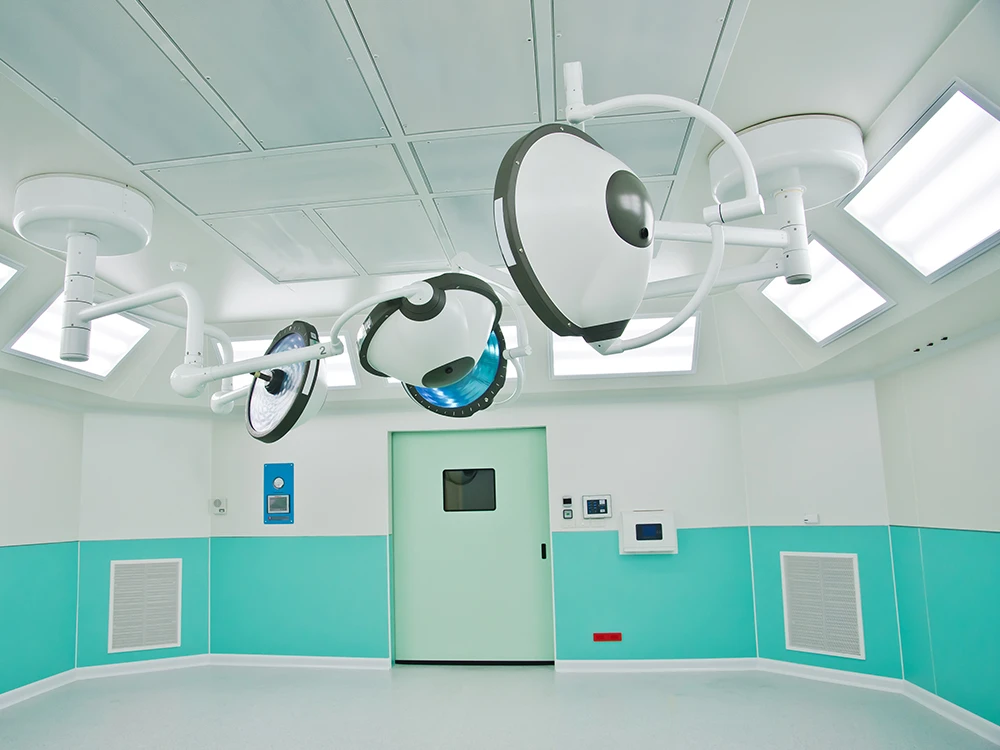
First, operating room purification effectively reduces the risk of intraoperative infection. Bacteria, viruses, and other microorganisms in the operating room can lead to surgical site infections, seriously threatening patient health. Purification projects effectively filter and remove airborne particulate matter and microorganisms, maintaining clean and sterile air in the operating room, thereby reducing the incidence of infection.
Second, operating room purification provides a stable temperature and humidity environment. Surgery requires specific temperature and humidity conditions to ensure the comfort and safety of medical staff and patients. Purification projects can regulate the temperature and humidity in the operating room, ensuring the stability and reliability of the environment during surgery.
Furthermore, operating room purification effectively reduces noise and odors in the operating room. Noise and odors are often present in operating rooms and can interfere with surgical procedures and postoperative recovery. Cleanroom engineering effectively reduces these interfering factors, creating a quiet and refreshing surgical environment.
In conclusion, the importance of operating room cleanroom engineering cannot be overlooked. It ensures surgical safety and success rates, reduces infection risks, provides a stable temperature and humidity environment, minimizes noise and odor interference, and creates a safe and comfortable surgical environment for medical staff and patients.
NAVIGATION
Send Us A Message


Please give us a message