
MESSAGE
Product Details
Key Protection Points:
1. Entrance: For general X-rays, when the source strength (tube voltage) > 400 kV, a detour (maze) should be provided at the entrance. Detours are also required for gamma-ray, neutron, and accelerator particle areas.
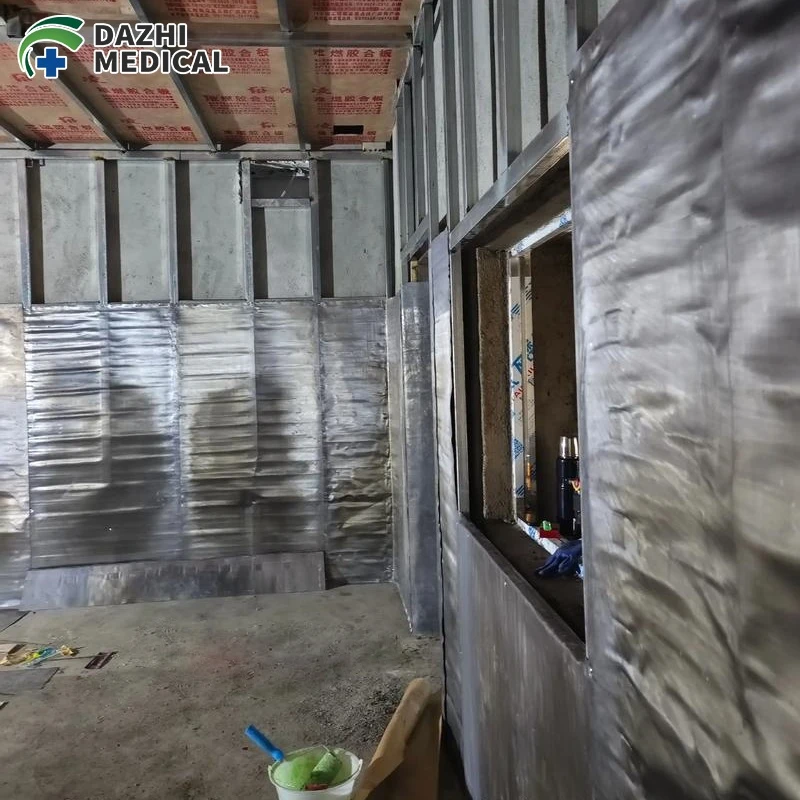
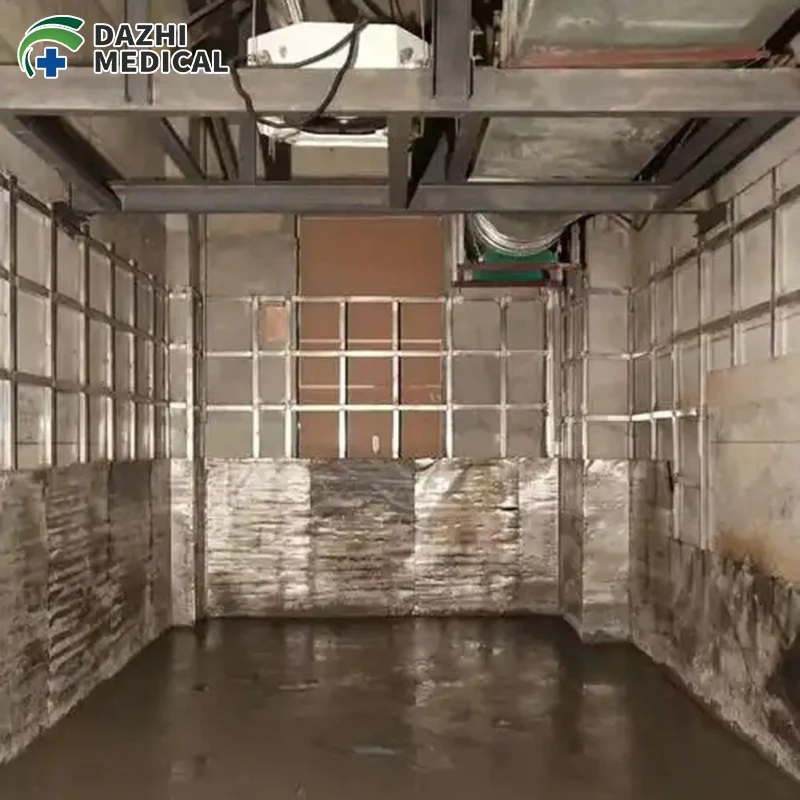
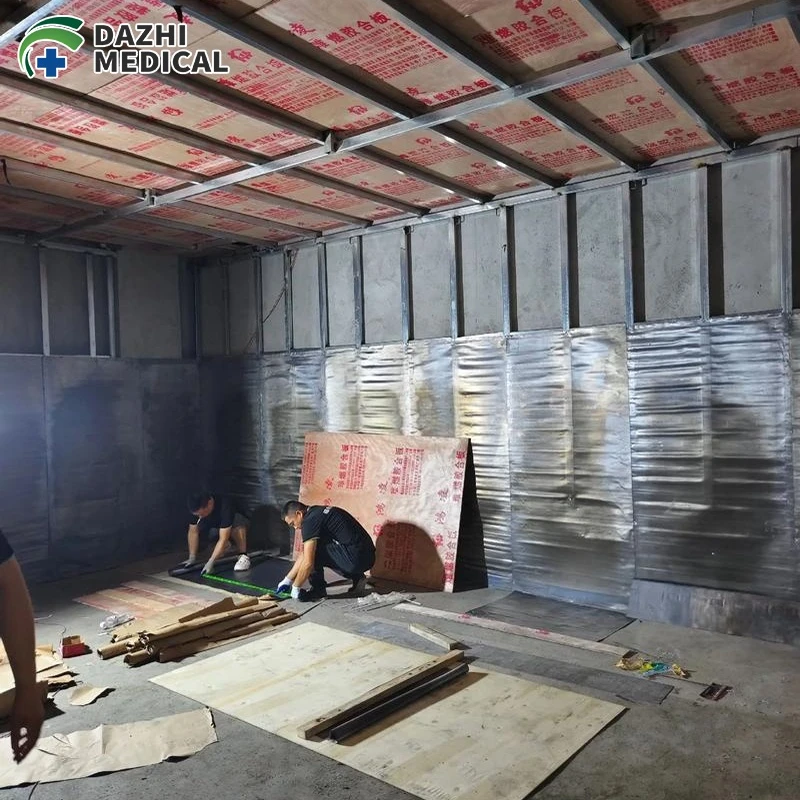
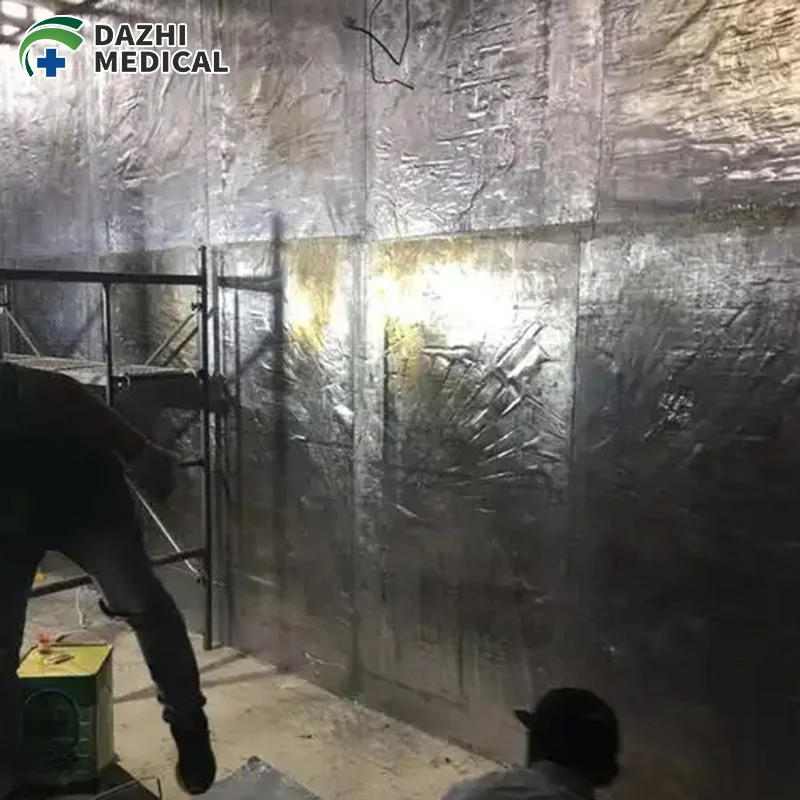
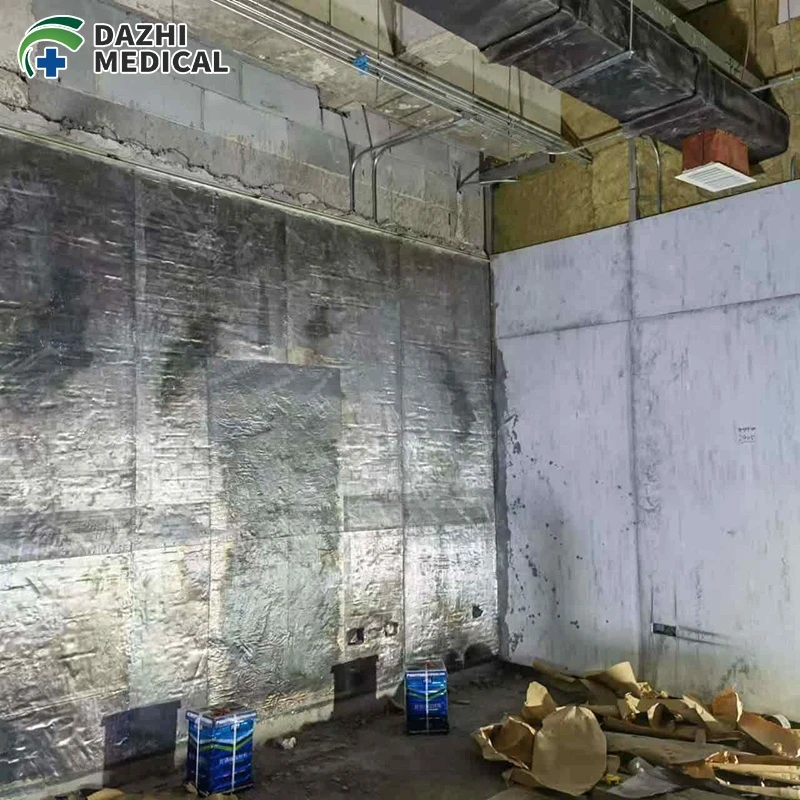
2. Walls: Thickness should be determined by calculation. For masonry walls, the mortar should be dense and no post-filling holes should be left. For cast-in-place concrete walls, compaction must be ensured to be uniform and the density must meet design requirements, especially preventing material slippage and "sinking." Large-volume concrete should be reinforced with temperature-controlled reinforcement to prevent shrinkage cracking. When using lead plates, lead-containing or boron-containing plastic plates, the overlap width should be > 10 mm, and the nails fixing the plates should be covered with lead plates.
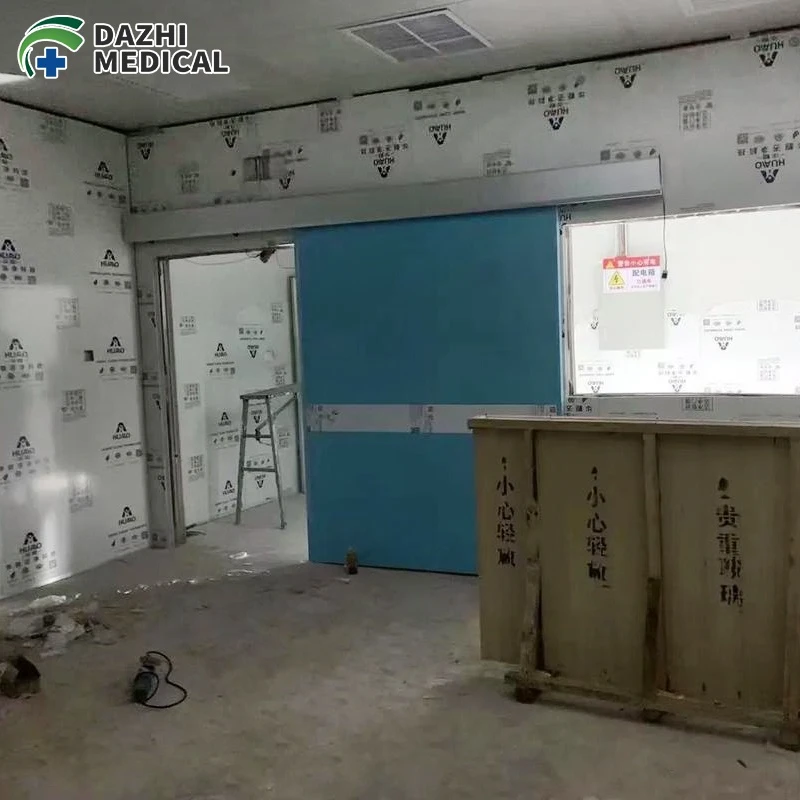
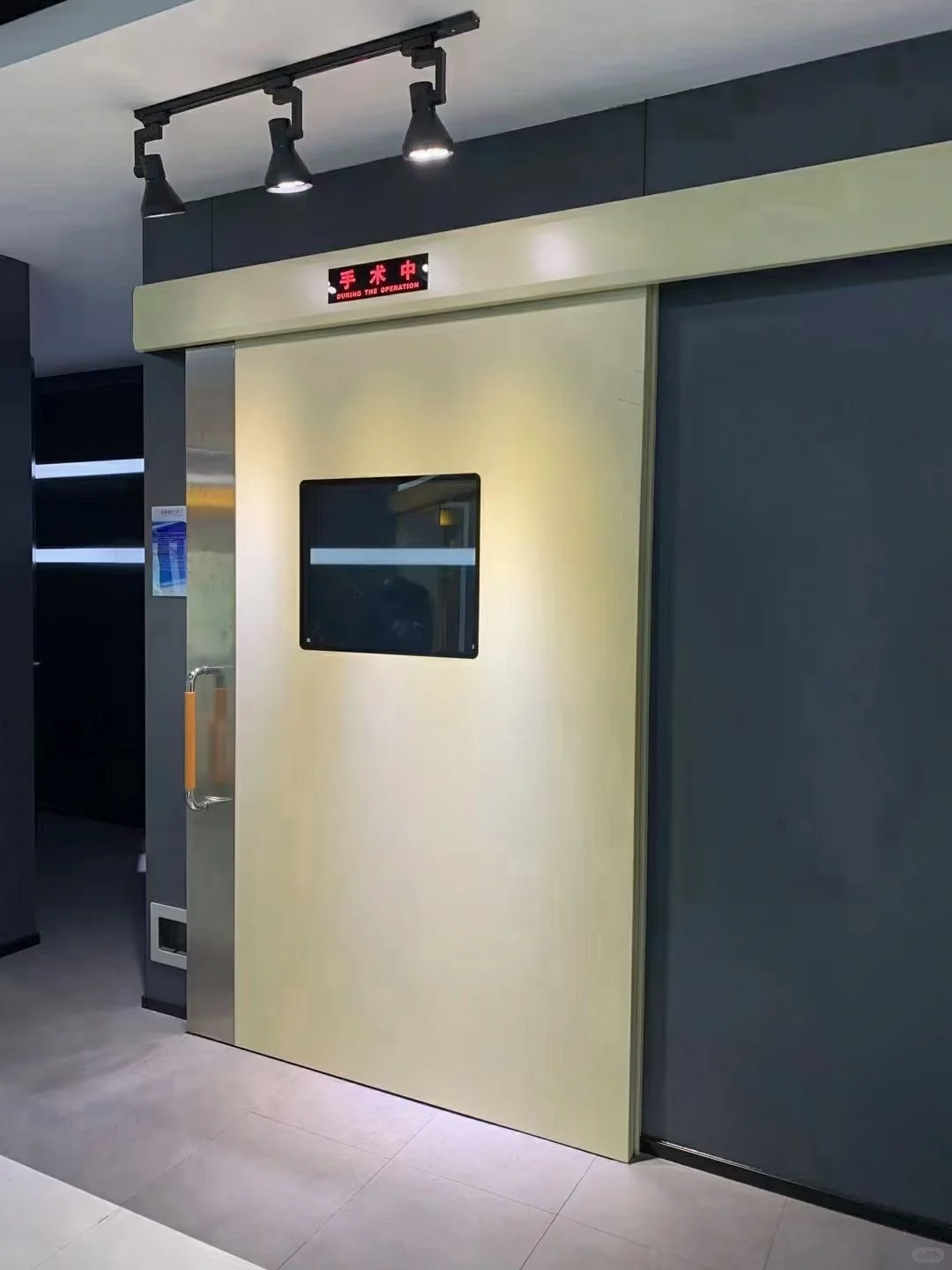
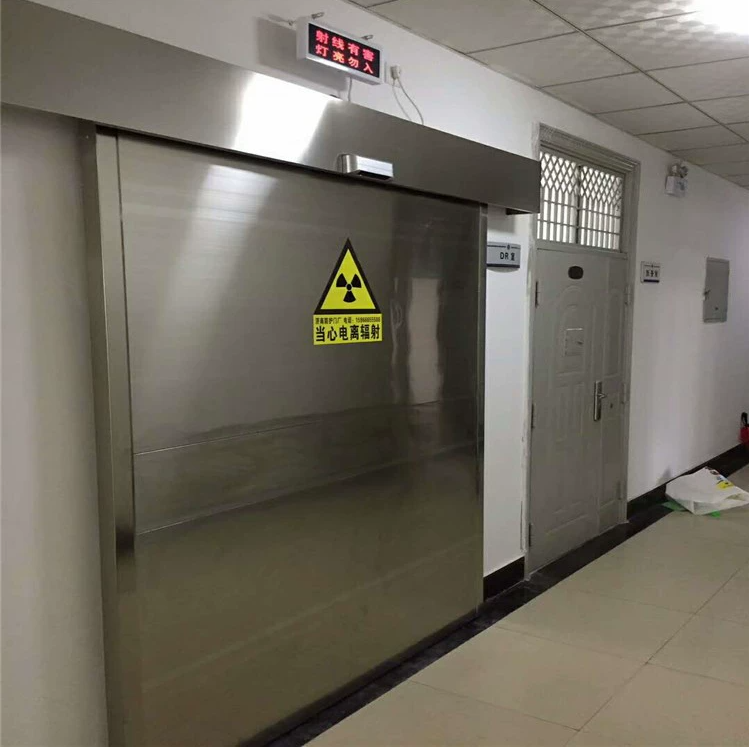
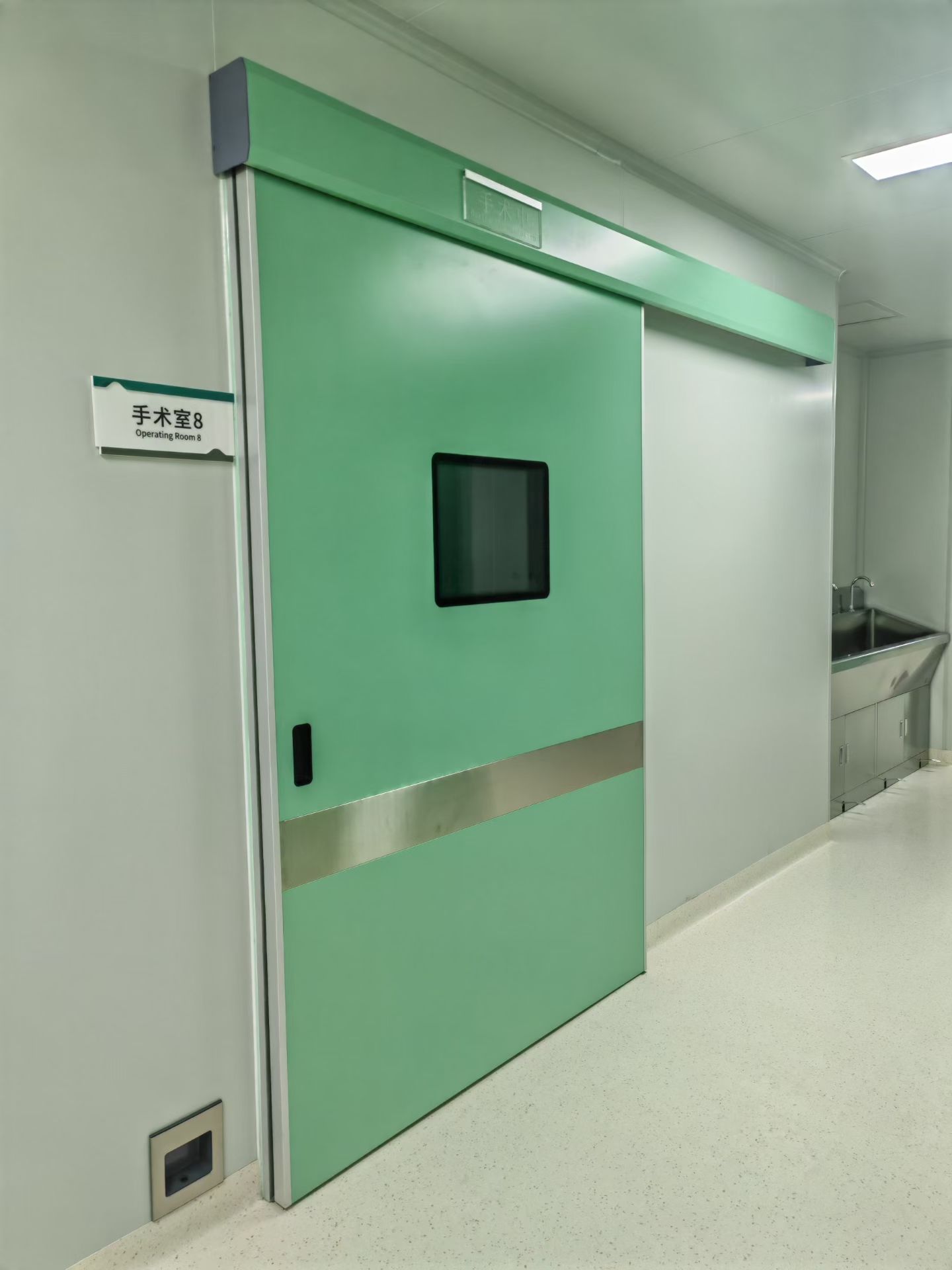
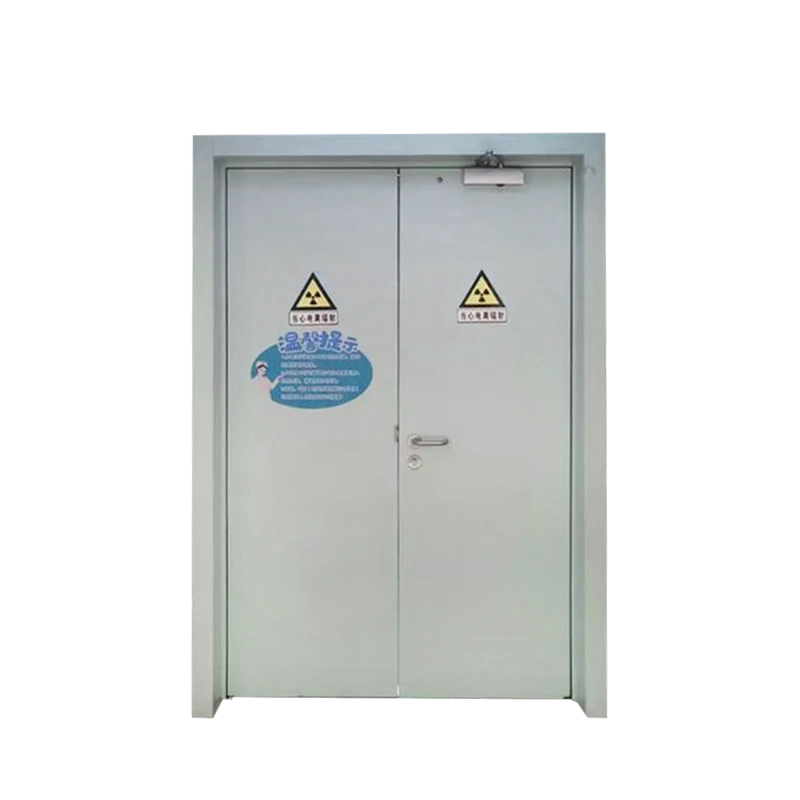
3. Protective Doors: Thickness should be determined by calculation. The overlap width between the door and the wall should be ≥ 100 mm, and double doors should not have a through gap in the middle.
4. Observation Windows and Pass-through Windows: Determined according to process operation needs. The windowsill height should be determined according to practical requirements, the height and orientation of the radiation source device, and the specific situation of personnel stationed outdoors.
5. Ventilation: Forced ventilation systems should be installed in all rooms, with air changes per hour meeting radiation protection regulations. Ventilation facilities should incorporate measures to prevent radiation leakage (special attention should be paid to neutron and accelerator rooms).
6. Ductwork: Ductwork should avoid passing through protective walls or panels. If passage through these walls is unavoidable, a zigzag route should be used, and measures should be taken to prevent radiation leakage from weak points.
7. Electrical: Indoor busbars should be installed at least 3 meters above the ground, and high-voltage components of equipment should be grounded. Grounding devices must be located away from underground conduits. Radiation source rooms should be equipped with alarm devices that are integrated with door interlocking systems.
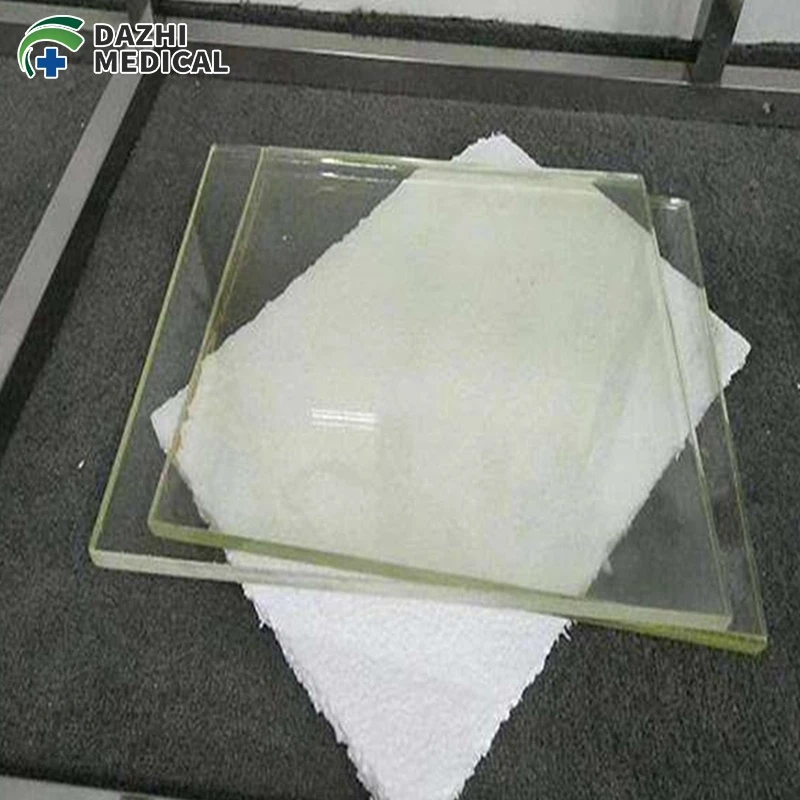
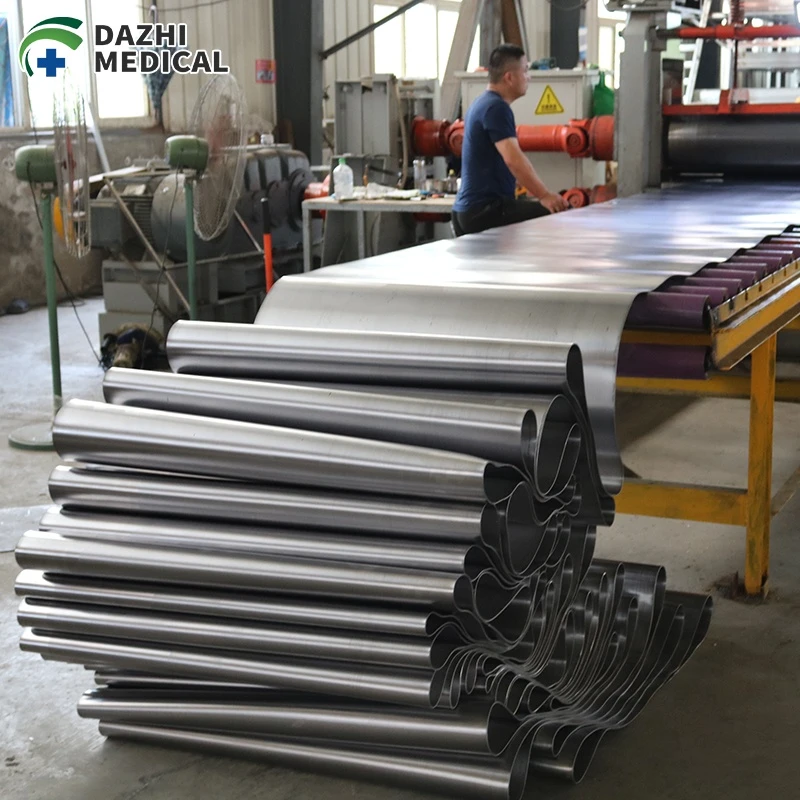
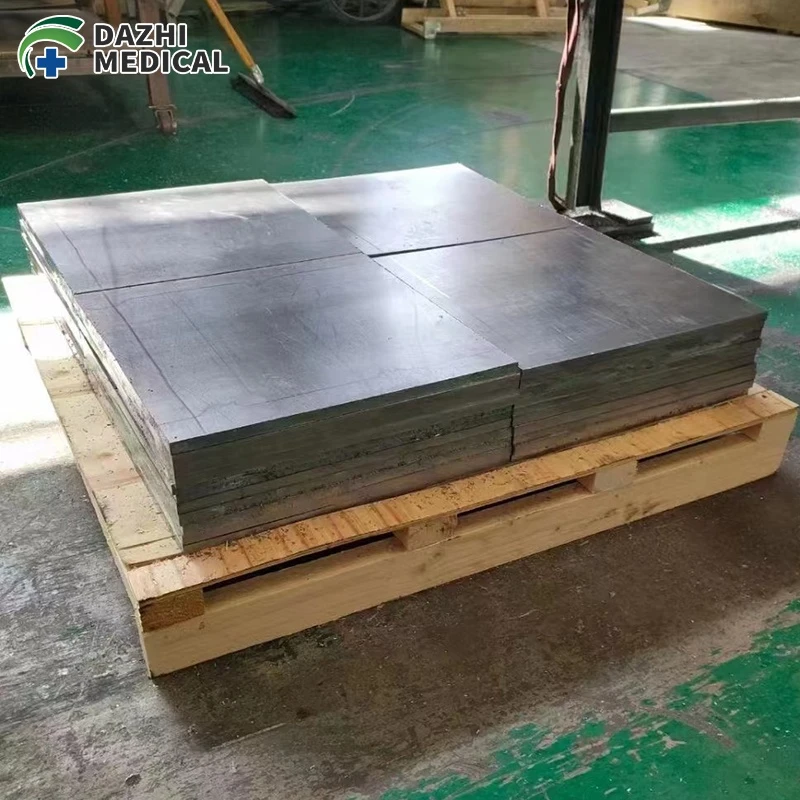
Product Display
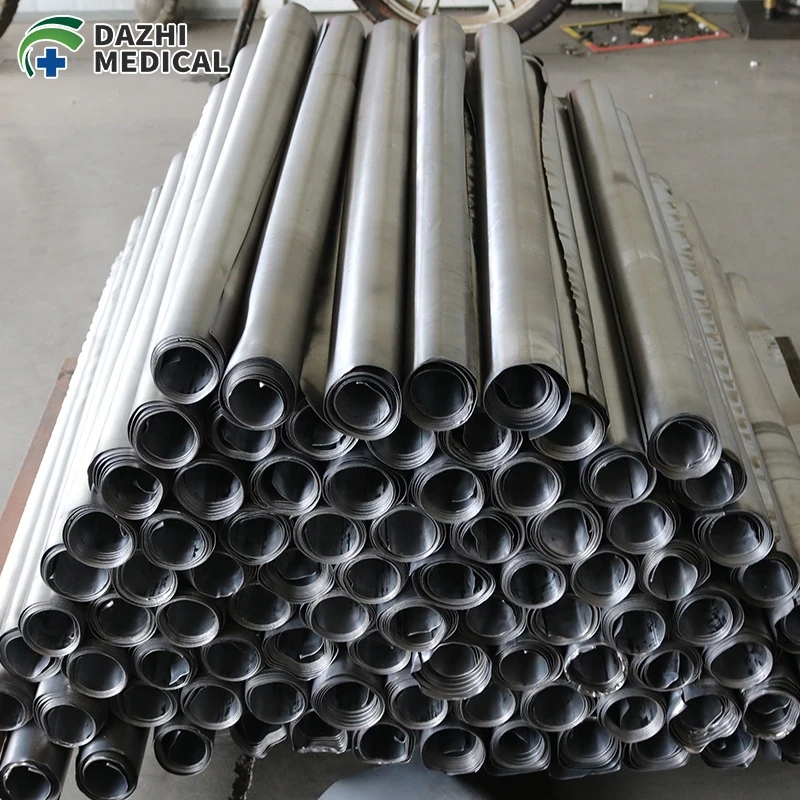
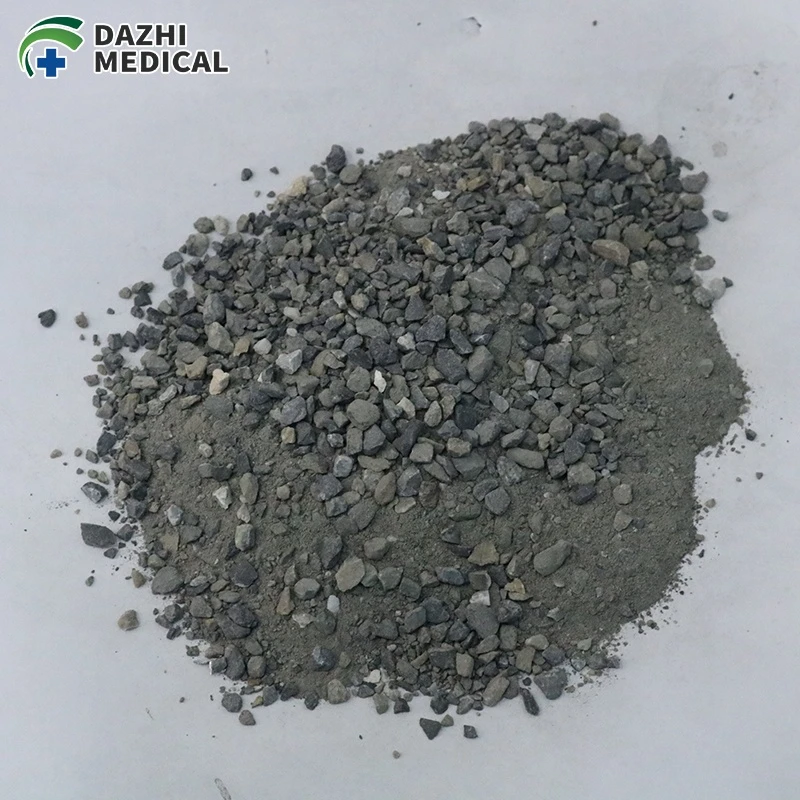
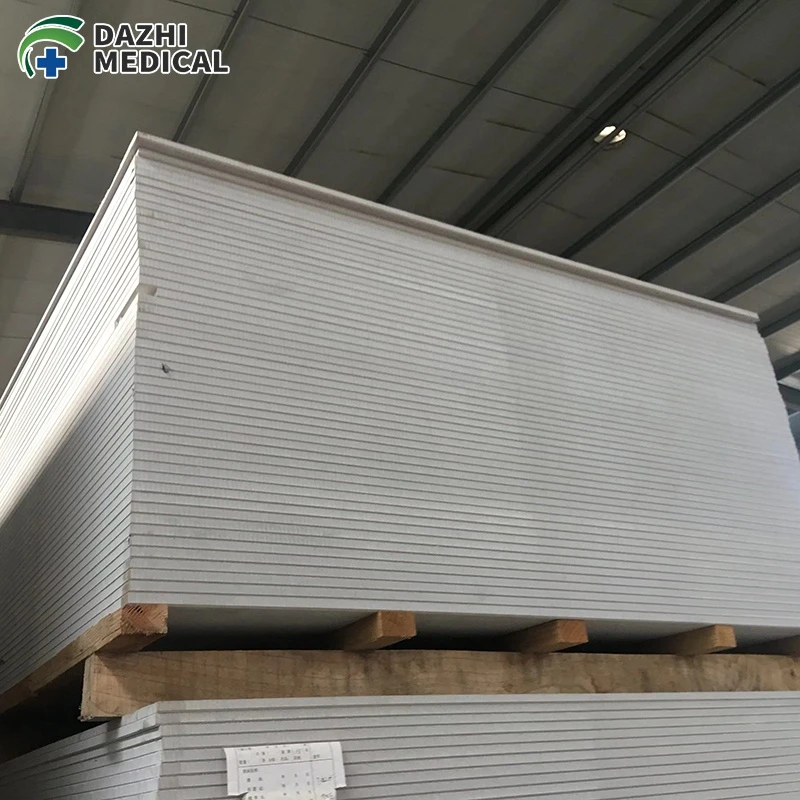
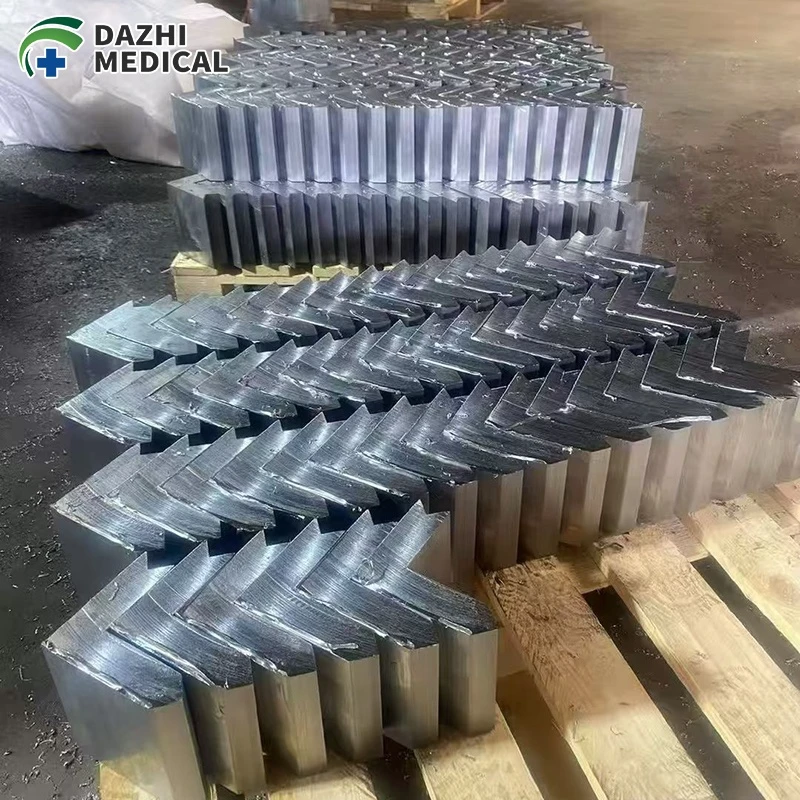
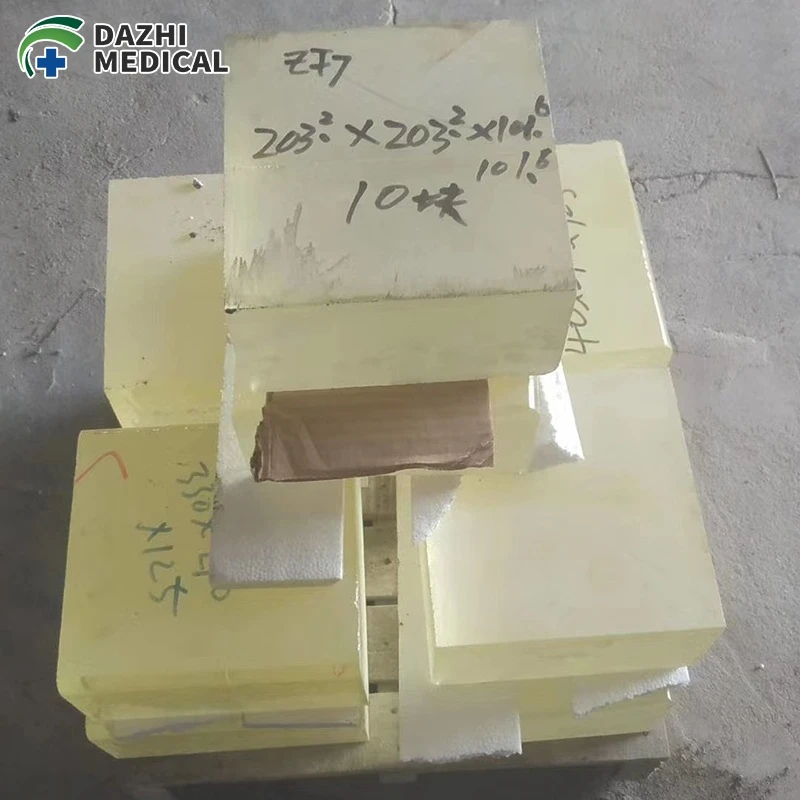
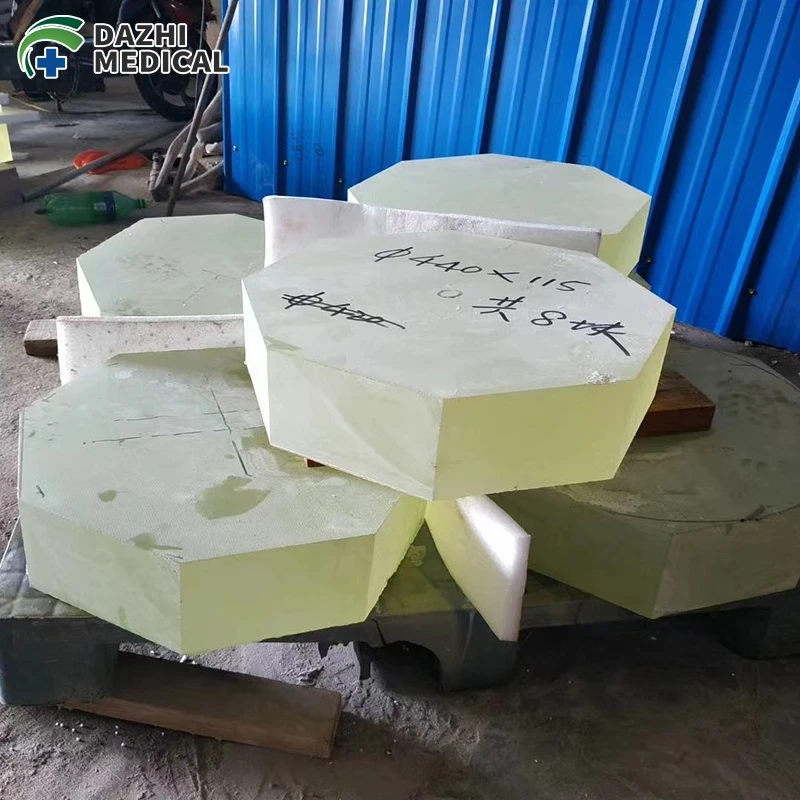
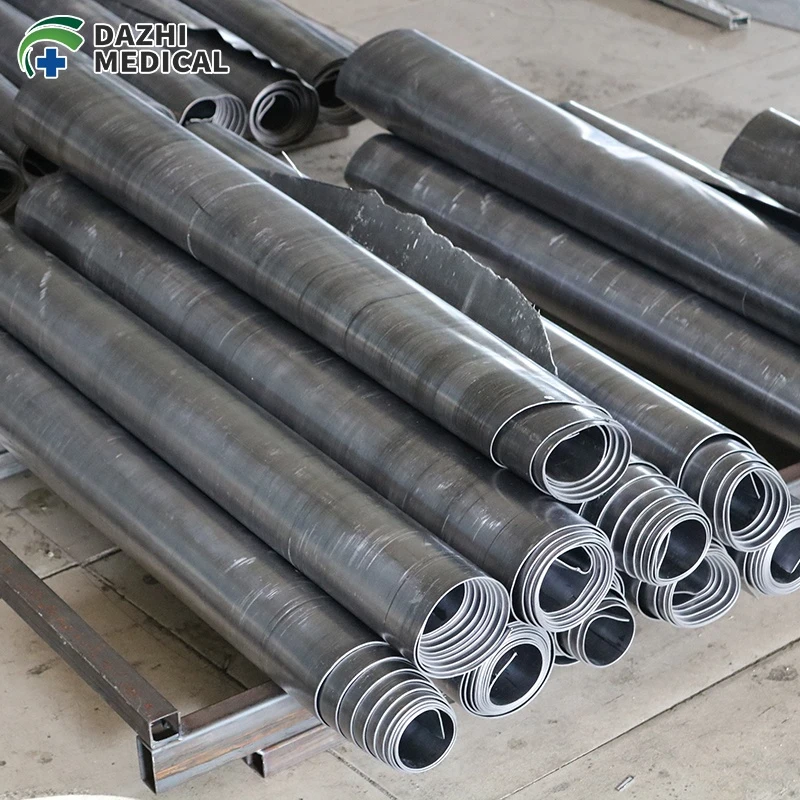
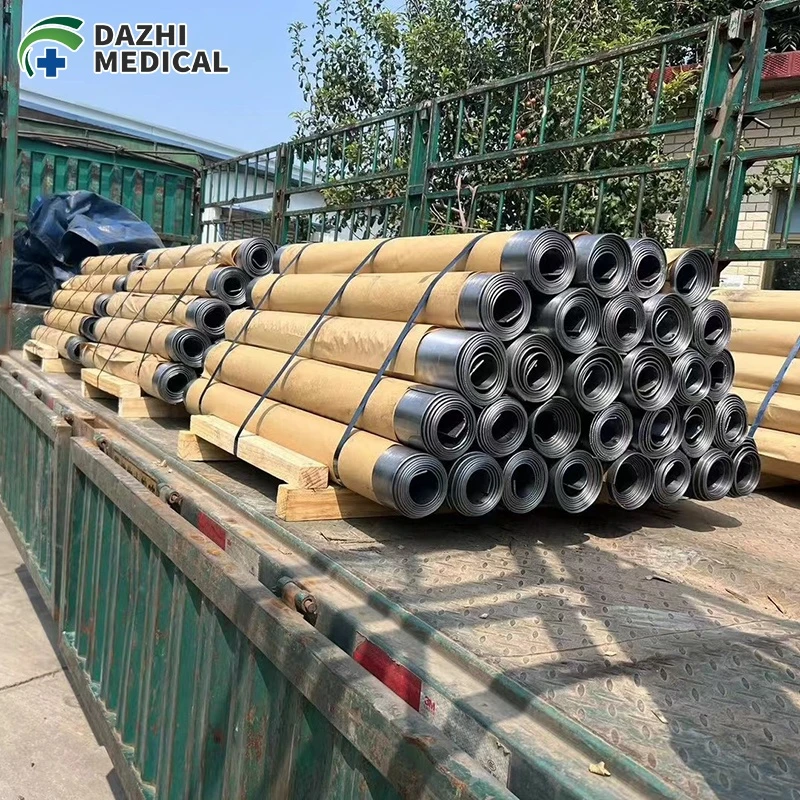
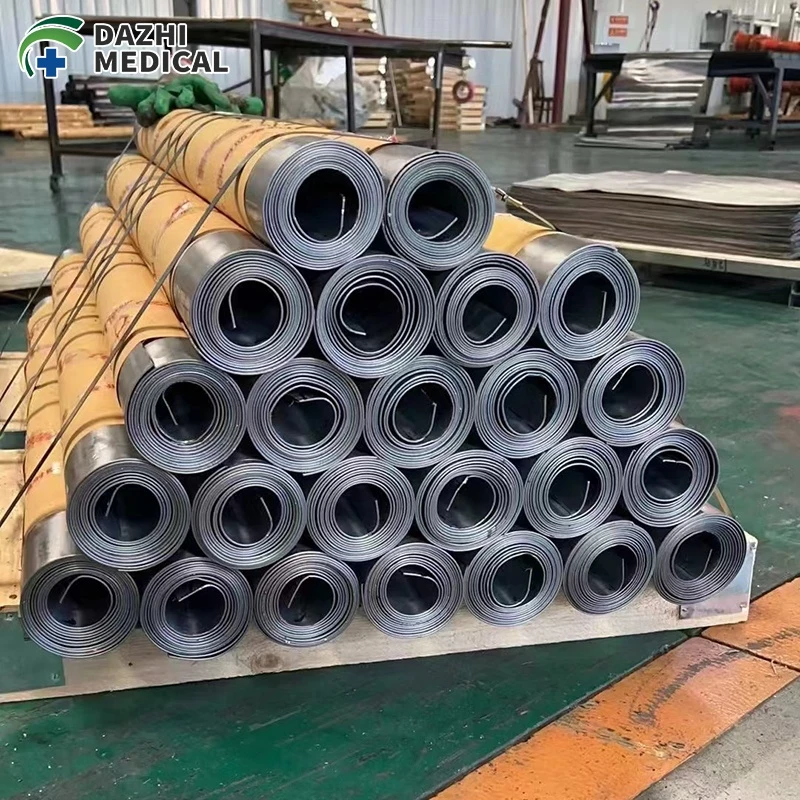
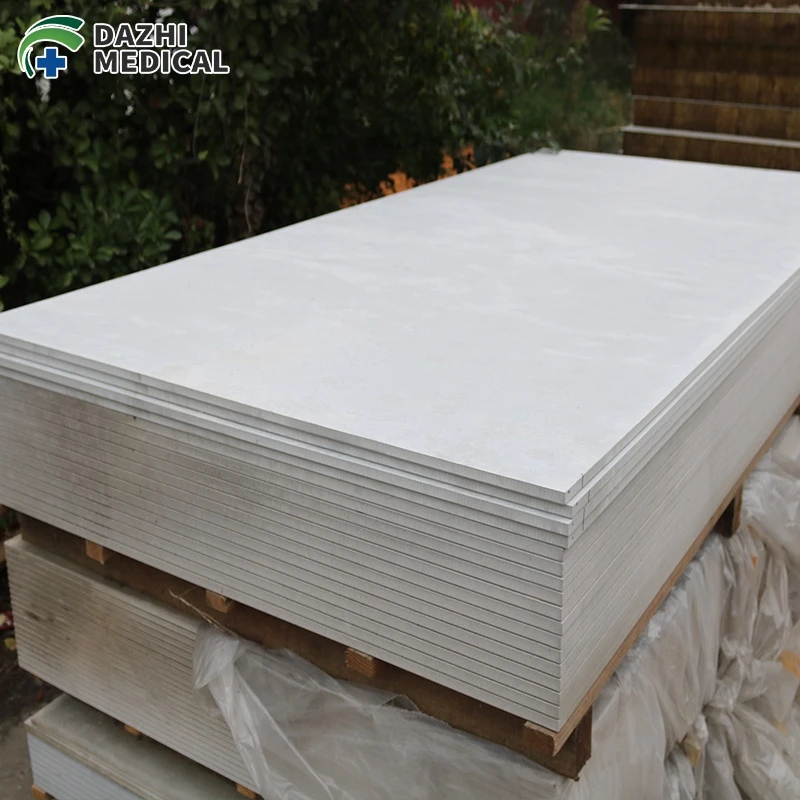
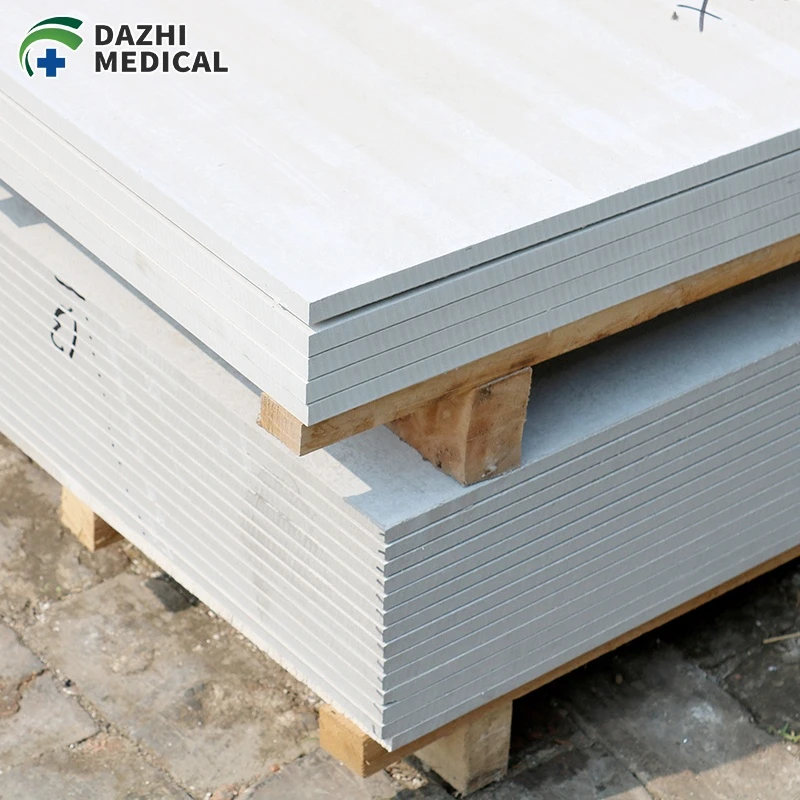
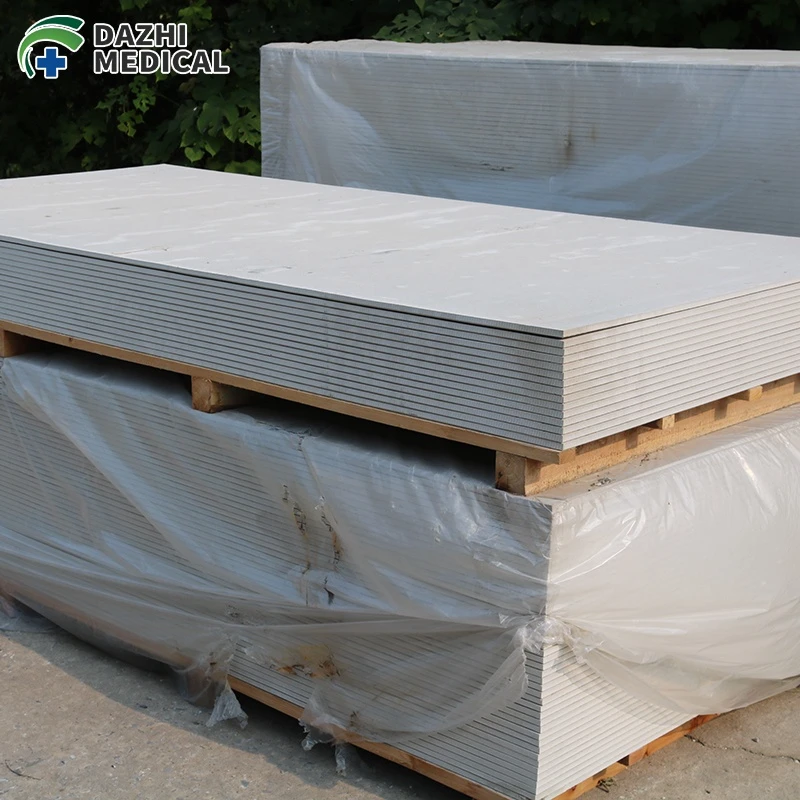
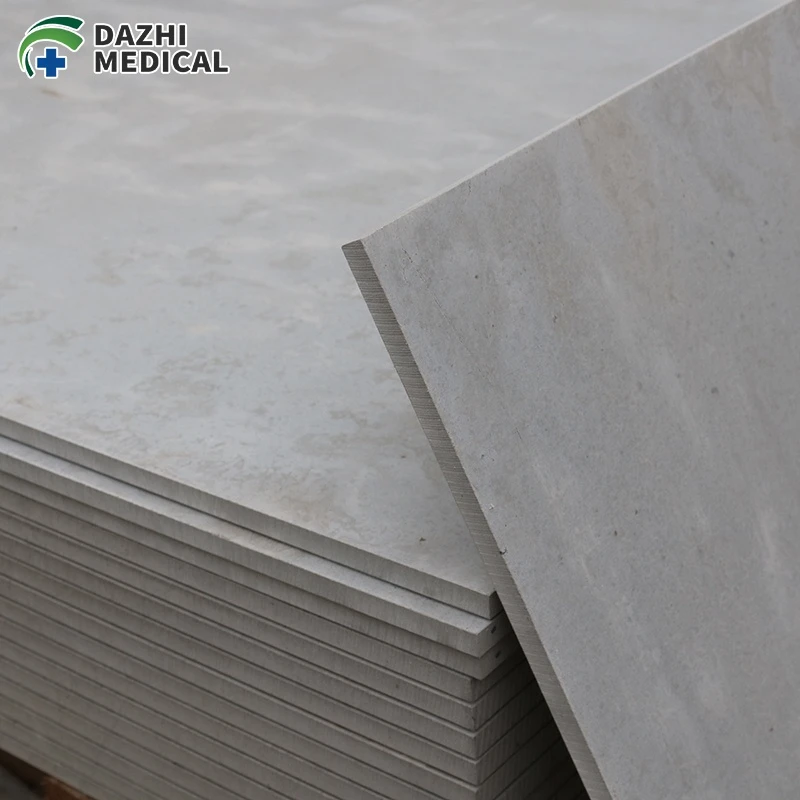
Factory Inventory Display
Product Application
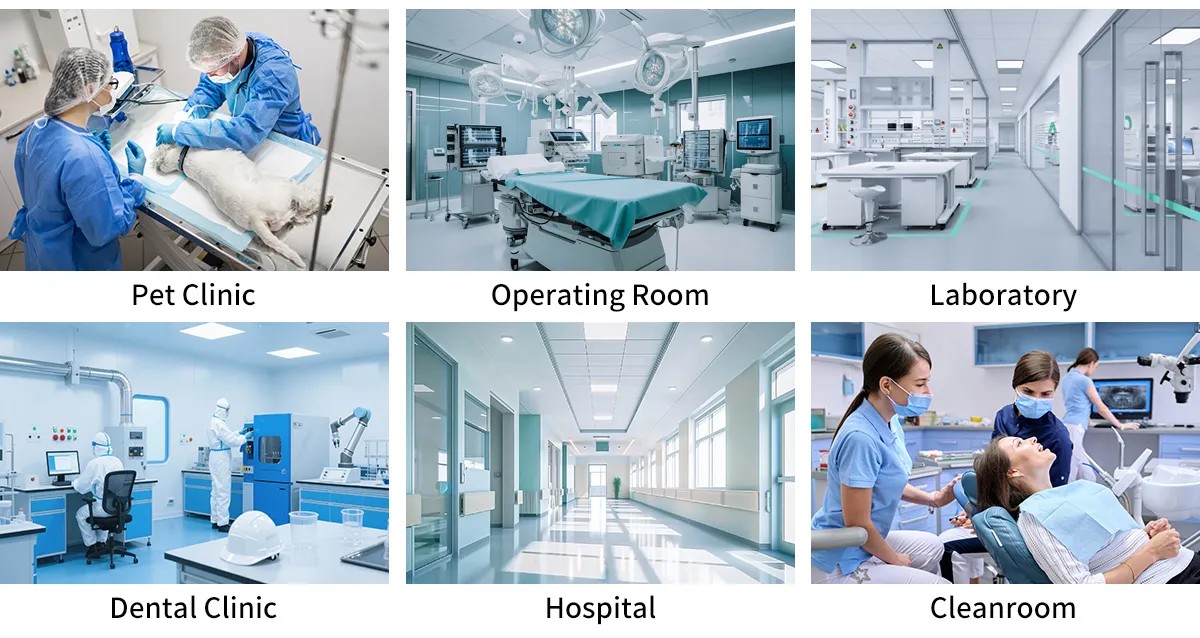
Get a Free Quote
Product Recommendation
 Manual swing lead door
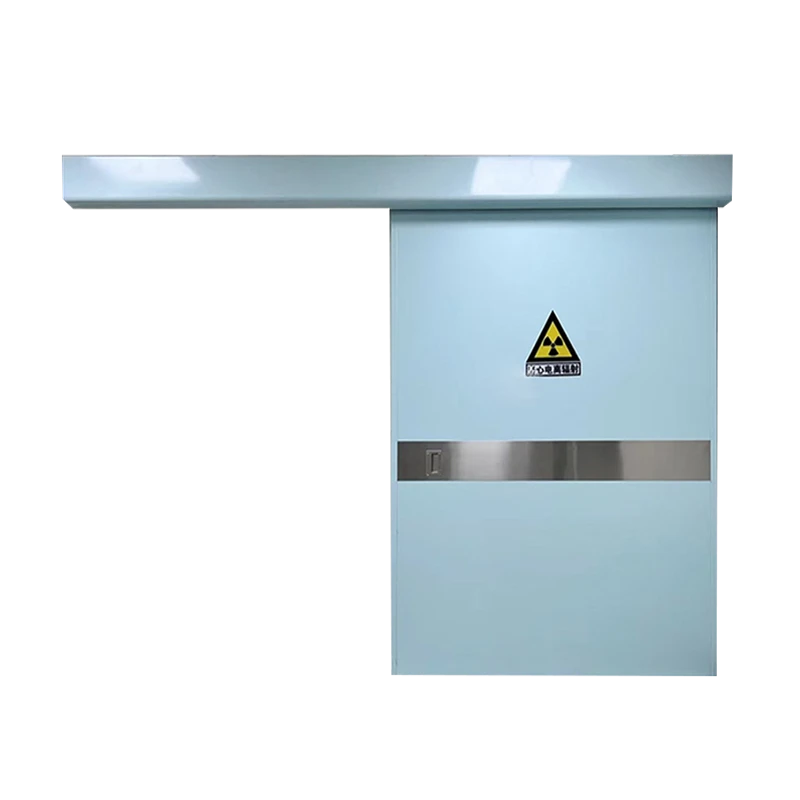
 Electric sliding lead door
 Wholesale Quality Assurance Medical X-Ray Radiation Shielding Lead Glass Quality Medical X-Ray Protective Products
 4mm 5mm 6mm 8mm Lead Sheet Silver Gray 1*2m X-ray Protection CT Room Lead Plate
 Supply of radiation shielding panels for DR and CT scan rooms, including wall and ceiling protection with high barium content and radiation protection sulfur.
 Barium Sulfate Board for X-Ray Shielding 10mm Thickness Alternative to Lead Sheet for Walls and Doors
 Comprehensive Radiation Protection Engineering Turnkey Services: Covering assessment, design, construction, and long-term maintenance.
 Radiation Shielding Laboratory 20mm 30mm 50mm 80mm Interlocking Lead Brick / 20mmpb 30mmpb 50mmpb Lead Bricks
 Wholesale Pet Surgery Shadowless Lamp Stepless Adjustment Led Surgical Veterinary Operating Lamp
 New Turnkey Project ISO 7 Hospital Clean Room Modular Operation Theatre CE Certified 1 Year Warranty
 Electric Sliding Airtight Door
 Cost-effective Electrical High Stable Multi-functional Surgical Room Operating Table for Different Surgries
 Cold Room Aging Resistance Walk In Freezer Panels Cleanroom System Clean Room Wall Sandwich Panels For Cold Storage
 Manual double-leaf swing steel door
 Modular Operating Room Ceiling Pendant With Electrical Outlets And Equipment Mounting Options
 for Tin Cans Crown Caps Conical Buckets-Cutting Service 0.2-0.5mm Thickness") Electrolytic Steel Sheet (SPCC MR Grade) for Tin Cans Crown Caps Conical Buckets-Cutting Service 0.2-0.5mm Thickness
Electrolytic Steel Sheet (SPCC MR Grade) for Tin Cans Crown Caps Conical Buckets-Cutting Service 0.2-0.5mm Thickness Electric swing lead door
 Manual sliding lead door
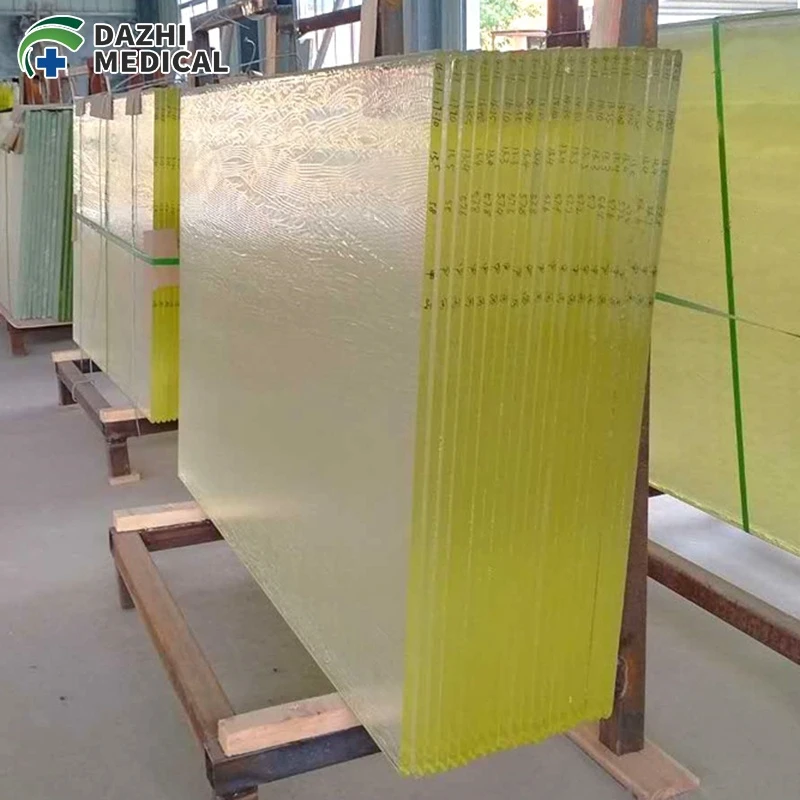
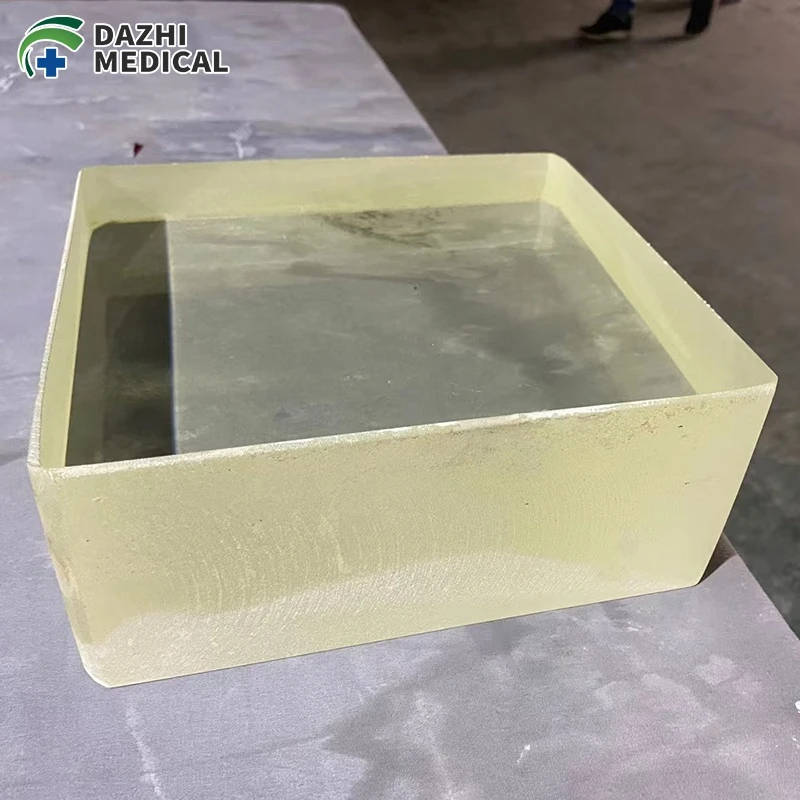
 Tailored Lead Glass for X-ray/CT Rooms Superior Radiation Shielding
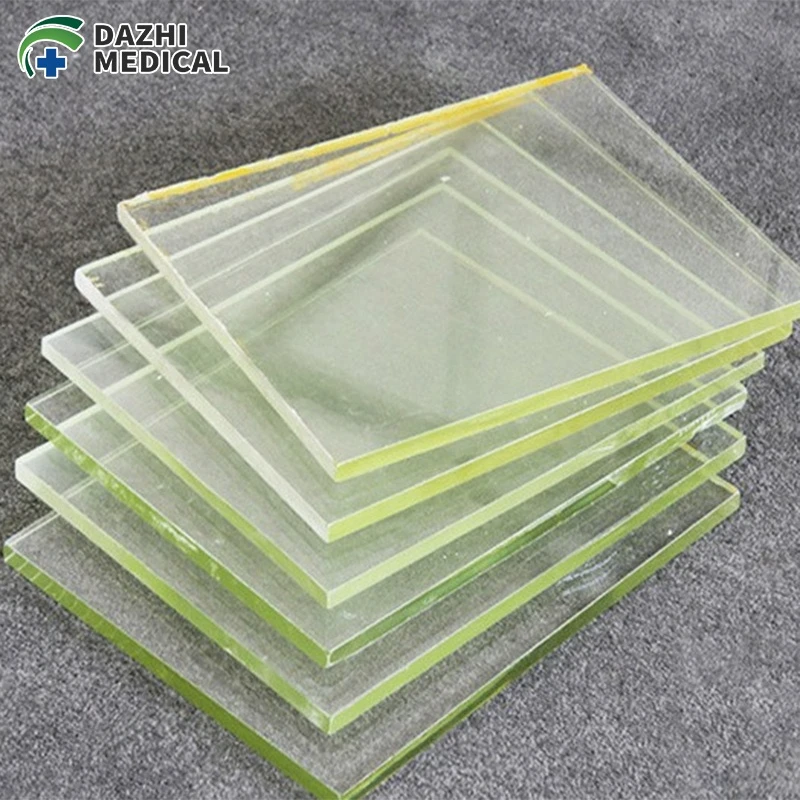
 Medical Lead Glass For Hospital Pure X Ray Radiation Protection Cheap Price X-Ray Shielding Lead Glass
 X Ray Protection Lead Glasses 8mm 10mm 12mm Radiation Shielding Lead Glass Price for X-Ray CT Room Window X Ray Lead Glass Sale
 Medical lead glass X-ray shielding window, radiation protection X-ray lead glass manufacturer price
 Medical lead glass X-ray shielding window, radiation protection X-ray lead glass manufacturer
 Lead Plate for Medical Radiation Shielding High Purity Xray Room Laboratory Use 2.5 Mm Thickness Long Service Life
 Lead Acid Tubular Plate Flooded Opzs Battery Ct Scanning Anti-radiation Lead Plate X-ray Room Lead Plate
 Anti Xray Lead Rubber Sheet Roll 2MM X-ray Room Medical X-ray Protection Lead Sheet for X Ray Room
 X-ray Room High Quality Medical Radiation Protection 99.994% Pure X Ray Shielding Lead Sheet
 Cheapest Price High Quality Lead Sheet 4mm 5mm 6mm 7mm 8mm 9mm Best Lead Sheet For X-ray Room Hospital
 Barium sulfate sand directly from the manufacturer, for CTDR nuclear medicine wall radiation protection.
 Manufacturer wholesales radiation-shielding barium sulfate sand, dental CT room wall protection barium sand cement
 Barium sulfate sand for radiation protection, barium sulfate coating, CT/DR room walls and floors for radiation protection, cement, barium sulfate powder.
 Barium sulfate powder for CT scan room radiation protection; barium sulfate for dental clinics and hospitals.
 Barium sulfate sand is available for wholesale from the manufacturer. It is used for wall protection in hospital CTDR, nuclear medicine, and other radiology departments.
 Barium sulfate board manufacturers, radiation protection materials, composite barium boards
 Anti Radiation 10mm 12mm 15mm Barium Sulfate Plate for Use in Hospital Radiology Department
 - Used in Pet Hospital Veterinary X-ray Room") 1mm Barium Sulfate Plates (10mm, 15mm, 20mm) - Used in Pet Hospital Veterinary X-ray Room
1mm Barium Sulfate Plates (10mm, 15mm, 20mm) - Used in Pet Hospital Veterinary X-ray Room Factory Outlet Radiation Resistant 10mm 12mm 15mm Barium Sulfate Board / Lead Drywall for Buildings and Lead Covered Plate
 Barium Sulfate Board for X-Ray Shielding 15mm Thickness Maximum Protection Panel for CT Rooms
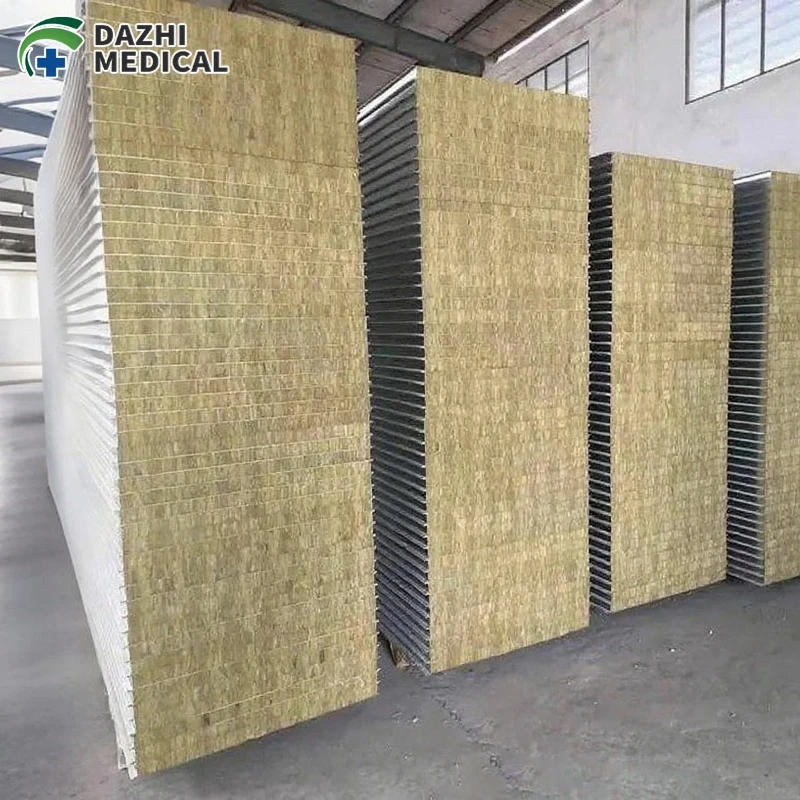
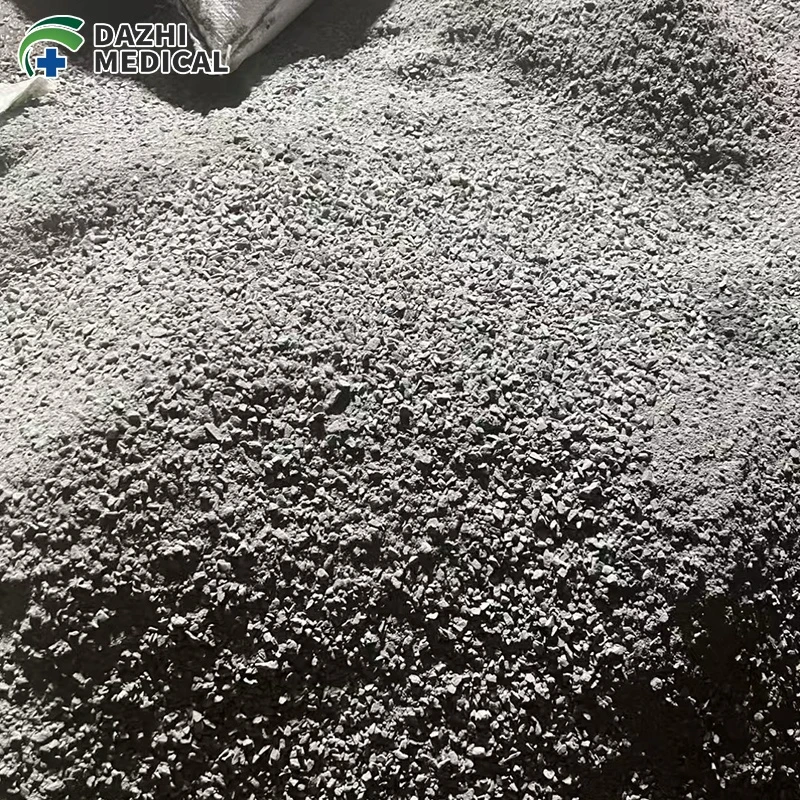
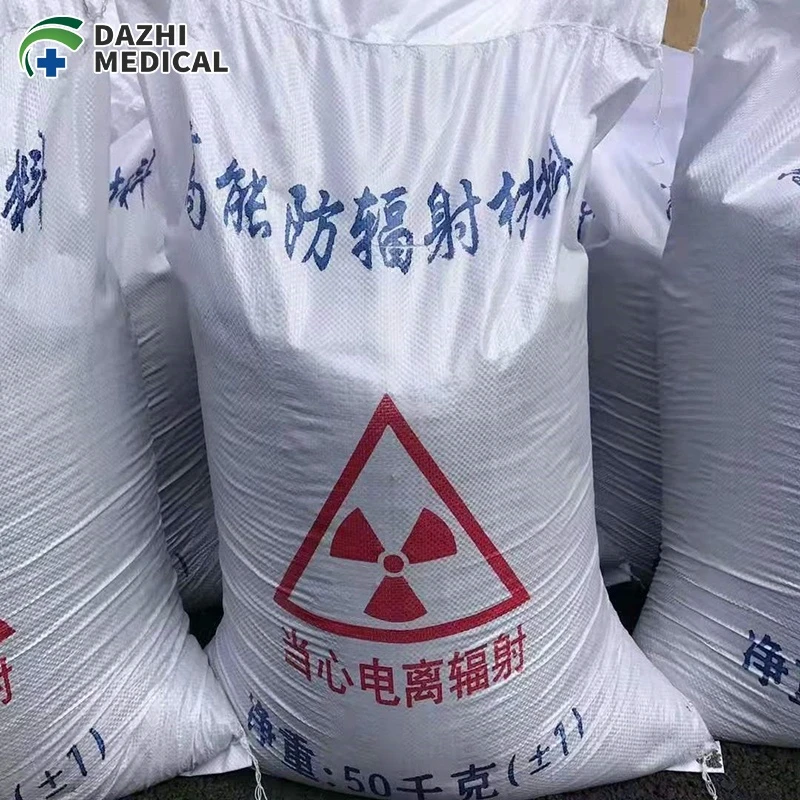
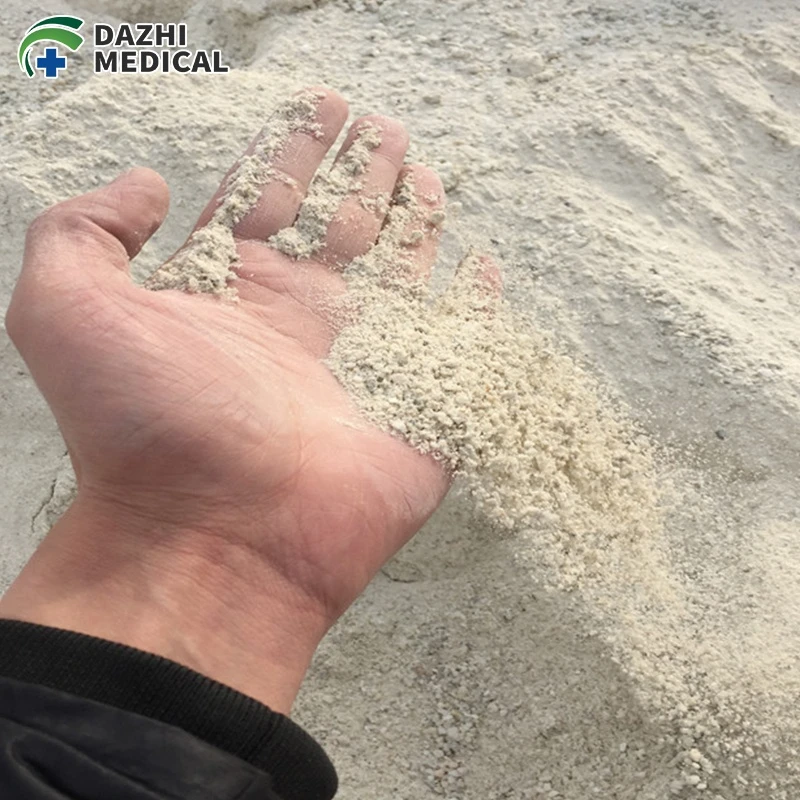
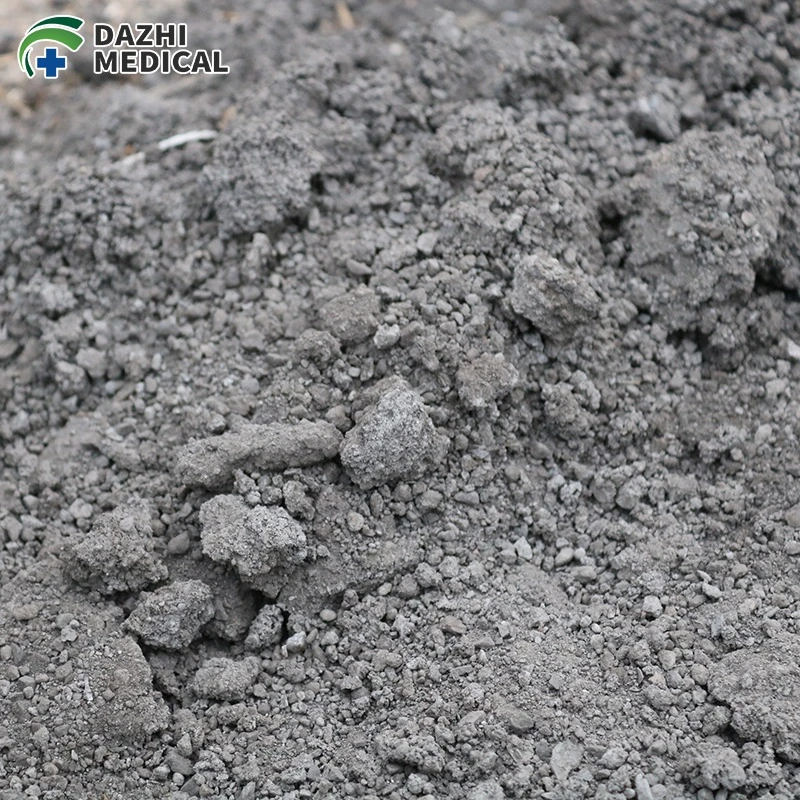
 Our factory undertakes radiation protection projects and has a large stock available
 Customized integrated radiation protection engineering solutions: one-stop compliant delivery from design and construction to acceptance.



Please give us a message